
New construction
The New Construction Home Buying Process, Explained
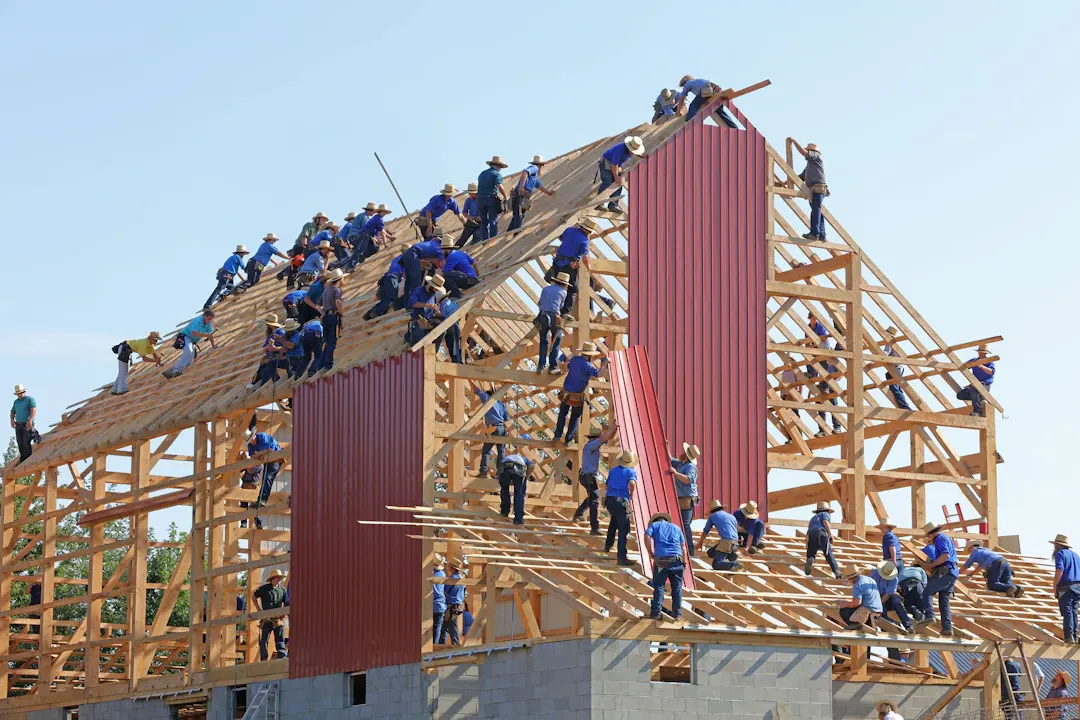
Buying a new construction home in Virginia is a different process from buying a resale house. You are often dealing with a builder's sales team instead of a homeowner, signing the builder's own contract, picking finishes from a design center and watching a house go up over several months. Here is how it works, step by step.
Spec homes, semi-custom and custom builds
New construction comes in three broad types, and each changes your timeline and how much say you have:
- Spec (quick move-in) homes — built before a buyer is found. Choices are limited, but you can often move in within weeks.
- Semi-custom (production) homes — you choose a lot and a floor plan from the builder's collection, then pick options and finishes.
- Custom homes — designed for you, often on land you own. The most control, and usually the most time and cost.
Research communities and builders
Start with location. Look at commute times, schools, shopping and how much more building is planned nearby, since a quiet field behind your lot may not stay that way. Ask about HOA dues and rules early, because most new communities have them.
Then vet the builder:
- Tour finished homes in their older communities, not just the model.
- Talk to people who already live there about build quality and how warranty requests were handled.
- Confirm the builder's Virginia contractor license through the state's licensing board.
- Check online reviews and complaint records.
Line up financing before you sign
Get pre-approved before you commit to a lot. Your options depend on what you are building:
- A standard mortgage for spec homes or production homes where the builder carries the construction financing until closing.
- A construction-to-permanent loan for custom builds, which pays the builder in stages and then converts into a regular mortgage.
- FHA and VA loans, which can be used on new construction if the builder and property meet program rules — useful in a region with many military families.
Builders often promote a preferred lender with incentives. Compare the offer with at least one outside lender; a closing-cost credit is only a deal if the rate and fees are competitive. Use our mortgage calculator to compare payments, and lock your rate with timing that fits the build schedule.
Bring your own agent
The salesperson in the model home works for the builder. A buyer's agent who knows new construction works for you, negotiating price, upgrades and closing costs and reading the contract with your interests in mind. Most builders require your agent to come with you on your first visit to register you, so bring them from the start.
Understand the builder contract
Builder contracts are written by the builder and favor the builder. Before signing, make sure you understand:
- The deposit amount, when it becomes non-refundable, and what happens if your financing falls through.
- The estimated completion date and what the builder owes you if construction runs late.
- Whether the price can change for material cost increases.
- Exactly which features are standard and which are upgrades.
- The warranty terms and how to file a claim.
Negotiation is often possible, even when the price is firm — closing-cost help, upgrades or lot premiums are common places to ask.
Choose upgrades wisely
The design center is where budgets slip. A good rule: spend on things that are hard or expensive to change later — structural options, extra outlets and wiring, insulation, energy-efficient windows and HVAC, ceiling height — and hold off on items you can easily upgrade yourself later, such as light fixtures, paint and some flooring. Get every selection and price in writing, and know the deadline after which changes are no longer allowed.
Inspect at every stage
Local building inspectors check that the home meets code, but they work for the locality, not you. Hire your own inspector for:
- Pre-drywall — framing, wiring, plumbing and ductwork while they are still visible.
- Final — the finished home before closing.
- Warranty check — shortly before your workmanship warranty ends, to catch issues that appeared after move-in.
The final walkthrough and closing
At the walkthrough, test every faucet, outlet, appliance, window and door. Confirm each upgrade you paid for is installed. List anything that needs fixing on a written "punch list" signed by the builder, with dates for completion. Then review your closing disclosure, confirm wiring instructions by phone with your settlement agent, and sign.
After you move in
Keep a running list of anything that needs attention and submit warranty requests in writing. Landscaping, grading and drainage often need a season to settle, and small drywall cracks are common as a new house adjusts.
Want to own a home but not ready to finance a new build? A rent-to-own home lets you live in a house now and buy later. Start by checking how much home you can afford, or talk to Buy Now 757 about your options in Hampton Roads.
Frequently asked questions
How long does it take to build a new home?
It depends on the size and type of home, permits, weather and the builder's schedule. A finished or nearly finished spec home can close quickly, while a home built from the ground up commonly takes many months to a year or more. Ask the builder for a written schedule and how delays are handled.
What warranties come with a new construction home?
Builders typically offer a written warranty that covers workmanship and materials for a short period, major systems for longer, and structural defects for longest. Coverage varies by builder, so read the warranty document before you sign and keep a copy.
Can I change the floor plan?
Production builders usually offer a menu of plan options, such as an extra bedroom or a larger kitchen, priced in advance. Semi-custom and custom builders allow more changes. Changes made after construction starts can be expensive or impossible, so decide early.
Do I really need an inspection on a brand-new home?
Yes. Passing the municipal code inspection only means minimum standards were met. An independent inspector working for you can catch installation mistakes while they are still easy to fix.
Filed under New Construction Home.